
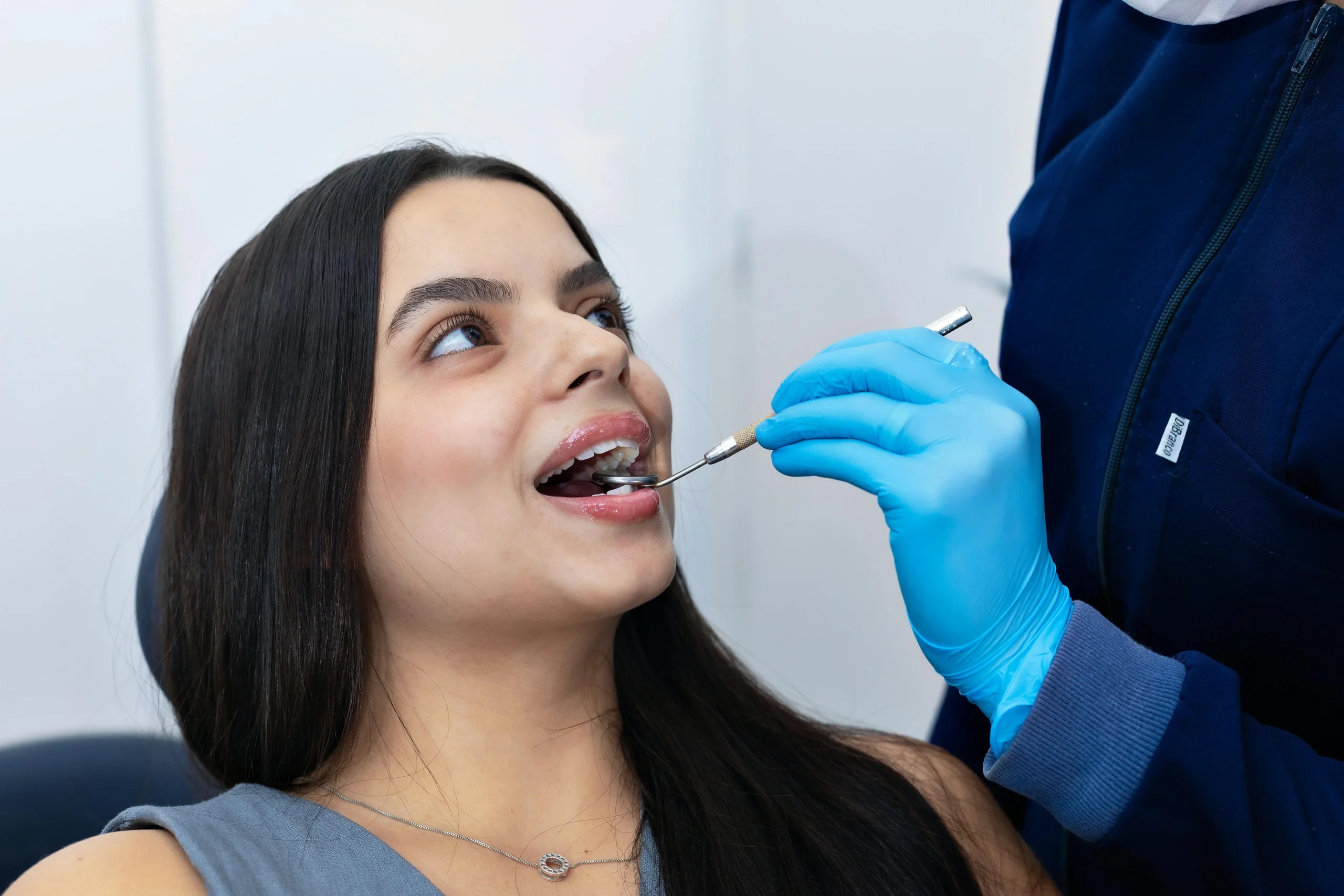
If you’ve been told you have gum disease, it’s natural to feel a little overwhelmed. The good news? Gum disease is treatable, and with the right care, you can protect your teeth and gums for life. Here’s a simple guide to what you can expect during treatment.
1) Initial Consultation - Understanding your Gum Health
Your first appointment is all about getting to know you and your gums. We’ll:
-
Discuss your dental and medical history.
-
Examine your teeth and gums to see where inflammation or pockets of bacteria may be present.
-
Take X-rays to check the bone around your teeth
-
Talk about your lifestyle, habits, and any symptoms like bleeding, sensitivity, or bad breath.
By the end of this visit, you’ll have a clear understanding of your gum health and the steps we’ll take to improve it.
2) Personalised Treatment Planning - Setting Goals
We start with simple, gentle, superficial treatment to remove the bulk of the bacteria., The aim is to:
-
Identify the bacteria that are causing gum inflammation with a specialised purple dye.
-
Improve your brushing habits and technique for long term gum success
-
Remove superficial plaque and tartar that cause gum disease.
We’ll explain each step and what to expect so you feel confident moving forward.
3) Non-Surgical Gum Treatment - Cleaning Below the Surface
The main treatment for gum disease is a disinfection below the gum level, called non-surgical periodontal treatment. During this appointment we:
-
Gently remove plaque and tartar from below the gum line.
-
Promote healing so pockets of bacteria are eliminated
- Enable you to maintain excellent bacteria control at home.
This process usually takes between one and four visits, depending on your needs. Most people find it comfortable, and we use local anaesthetic to ensure you’re pain-free.
4) Healing & Reassessment - 8-12 Weeks Later
About 2–3 months after your deeper disinfection, you’ll come back for a reassessment. At this appointment we:
-
Check how your gums are healing.
-
Measure gum pockets to see how much improvement has occurred.
-
Offer further treatment if needed, such as more cleaning or maintenance.
-
Reinforce home care techniques to keep your gums healthy.
Regular follow-ups are key to preventing gum disease from returning.
The Bottom Line
Even after successful treatment, maintaining healthy gums is an ongoing process. Supportive Periodontal Therapy (SPT) involves:
Regular professional check-ups and cleanings.
Monitoring gum health and spotting early signs of inflammation.
Guidance on daily oral hygiene to prevent recurrence.
SPT is the gold standard for long-term gum care and is fully endorsed by the British Society of Periodontology (BSP) and the European Federation of Periodontology (EFP). With SPT, you can enjoy a healthy smile for years to come.
Gum disease is common but manageable with the right care. If you know someone who may be struggling with their gum health, share this guide with them.
Or, if it’s time to take action for your own smile, use our contact form to book your consultation today. Healthy gums mean a healthier smile – and I’m here to help every step of the way.